


Can Steam Cleaning Remove Smells From Carpets?

A carpet can look clean and still make a room feel stale. Pet accidents, food spills, damp shoes, smoke, and everyday foot traffic leave odour-causing residue deep in the fibres and backing. So, can steam cleaning remove smells? In many cases, yes - but only when the cleaning process reaches and removes the source of the odour rather than simply covering it up.
For Kelowna and West Kelowna homeowners, that distinction matters. A quick spray, rental machine, or heavily scented deodorizer may make a room smell better for a day or two. If urine residue, greasy soil, bacteria, or moisture remains below the surface, the smell often returns when the carpet gets warm, humid, or damp.
Can Steam Cleaning Remove Smells at the Source?
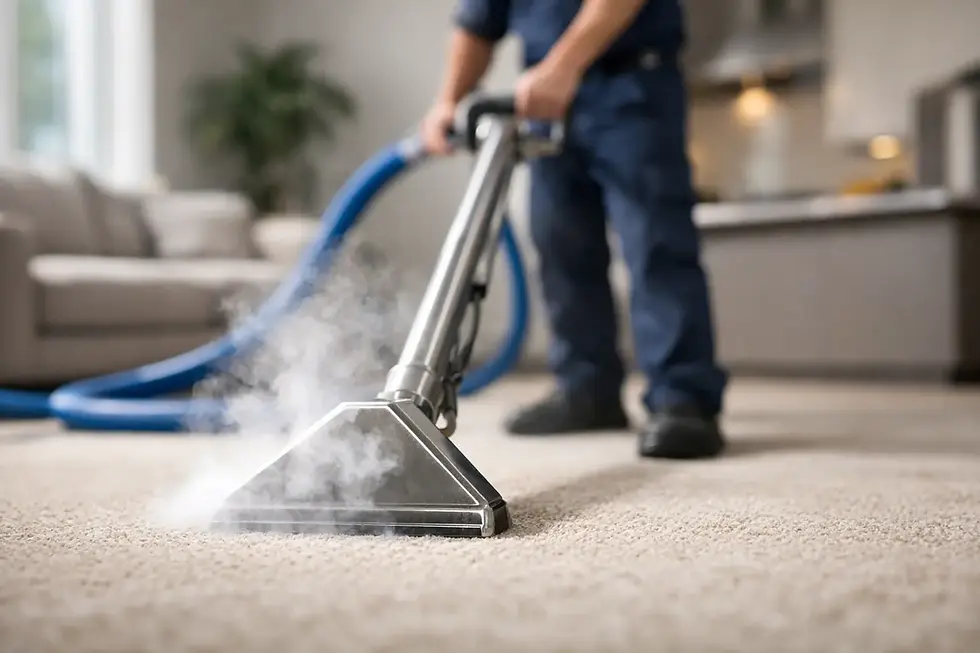
Professional steam cleaning, more accurately called hot-water extraction, can remove many common carpet and upholstery smells because it combines heat, cleaning solution, agitation, rinsing, and powerful extraction. The goal is not to perfume the fabric. It is to flush out the soil and residue feeding the odour.
High heat helps break down oily grime and loosen embedded contaminants. Proper cleaning agents target the type of soil present, while high-pressure rinsing carries that material out of the fibres. Strong suction then removes the dirty water instead of leaving it behind to dry in the carpet.
That final step is where equipment quality makes a real difference. A low-powered machine can wet the carpet without extracting enough moisture or residue. The result may be a temporarily fresher scent, followed by lingering odours, slow drying, or a musty smell. Professional truck-mounted equipment delivers greater heat, pressure, and suction for a deeper clean and faster dry time.
Steam cleaning works especially well for general stale odours caused by tracked-in dirt, food particles, body oils, pet dander, and everyday use. It can also improve odours in upholstered furniture, where fabric absorbs oils, spills, and airborne smells over time.
The Type of Smell Determines the Result
Not every odour has the same cause, so no honest cleaning company should promise that one method fixes every situation. The best approach depends on what created the smell, how long it has been there, and whether it has reached the carpet backing, underpad, subfloor, or the inner cushioning of furniture.
Pet urine needs targeted treatment
Pet urine is one of the most persistent carpet odours because it can travel well below the visible spot. Once dry, urine crystals can remain in the backing and underpad. Humidity reactivates them, which is why a room may smell fine one week and strongly of urine the next.
Hot-water extraction can remove surface residue and improve the smell significantly, but older or repeated accidents often need a targeted urine treatment first. In severe cases, the contaminated underpad may need replacement, especially if the odour has reached the subfloor. Deodorizer alone is not a solution for deeply saturated urine.
Smoke and cooking odours can cling to more than carpet
Smoke odour is different because particles settle throughout a home - on carpet, upholstery, curtains, walls, and HVAC surfaces. Professional carpet and upholstery cleaning can reduce the smell held in soft furnishings, but it may not fully resolve a whole-home smoke issue if other surfaces remain untreated.
Cooking odours, particularly grease-based smells, can also settle into upholstery and area rugs. A thorough professional clean often makes a noticeable improvement, provided the fabric is suitable for hot-water extraction and the source is not still present in the room.
Musty smells point to a moisture problem
A musty carpet smell should never be treated as a simple cleaning issue until the moisture source is identified. It may be caused by a spill that did not dry properly, a wet basement, a plumbing leak, poor ventilation, or past water damage.
Cleaning can remove surface soil and odours, but it cannot correct an active leak or dry structural materials hidden beneath the carpet. If the carpet feels damp, shows staining around baseboards, or has a strong mildew smell, address the moisture issue before booking routine cleaning. Once the area is dry and safe to clean, extraction can help restore freshness.
Why DIY Odour Treatments Often Disappoint
Home remedies are tempting because they are quick and inexpensive. Baking soda, vinegar, scented powders, and store-bought sprays can help with a light, recent smell. They are less reliable when odour-causing residue is embedded deep in a carpet or sofa.
Powders can leave fine residue in the pile. Heavy fragrance products may mask an odour without removing it. Too much water from a rental machine can soak the backing, while weak suction leaves behind detergent and moisture. That residue attracts more soil and may create the conditions for a new stale smell.
The issue is not that every DIY method fails. It is that household equipment is limited when the odour source is below the visible surface. If the smell returns after several attempts, repeated spot treatment can become more expensive and frustrating than calling a professional.
What a Proper Odour-Removal Cleaning Should Include
Effective odour removal begins with inspection. The cleaner should identify the affected areas, ask about pets, spills, water damage, and previous treatments, then select a process that fits the material and the cause of the smell.
For carpet, this usually means pre-treating soil and odour-prone areas, applying any required specialty treatment, then thoroughly rinsing and extracting the fibres. Upholstery requires a more careful approach because fabrics, dyes, fillings, and construction vary. The right method cleans deeply without over-wetting delicate materials.
At ProClean Canada, powerful truck-mounted cleaning uses high heat, high pressure, and strong suction to remove more soil and moisture from carpets and upholstery. Ultra-purified, pH-balanced soft water helps cleaning agents work effectively while reducing residue, leaving fabrics cleaner, softer, and fresher after treatment.
A good service also sets realistic expectations. If an odour is likely beneath the underpad, inside furniture foam, or caused by an active moisture issue, the homeowner should know before cleaning begins. Clear answers are better than a vague promise that a scent spray will solve everything.
How to Keep Carpets and Upholstery Smelling Fresh
The easiest odours to remove are the ones treated early. Blot spills promptly instead of rubbing them deeper into the fabric. For pet accidents, remove as much moisture as possible right away and use a treatment made for pet urine rather than a heavily fragranced cleaner.
Keep humidity under control, especially in basements and during damp weather. Vacuuming regularly also matters more than many homeowners realize. It removes the dust, hair, food crumbs, and dry soil that settle into carpet and upholstery and eventually create a stale indoor smell.
Professional cleaning is most effective as part of regular home care, not only after a smell becomes overwhelming. Households with pets, children, frequent entertaining, or allergy concerns may benefit from more frequent service than a low-traffic home.
If a carpet or sofa is making the room feel less clean than it looks, trust the smell. A proper inspection and deep extraction can often remove the residue responsible for it - and give your home the genuinely fresh finish that air fresheners cannot provide.


Comments