


How Does a Steam Cleaner Work on Upholstery?

That dingy armrest, the faint pet smell in the sofa, the spots that keep coming back - this is usually when homeowners start asking, how does a steam cleaner work on upholstery? The short answer is simple: it uses hot water, cleaning solution, agitation, and powerful extraction to loosen deep soil, flush it out of the fabric, and remove moisture fast. The real difference comes down to how much heat, pressure, and suction the system can deliver.
How does a steam cleaner work on upholstery in real life?
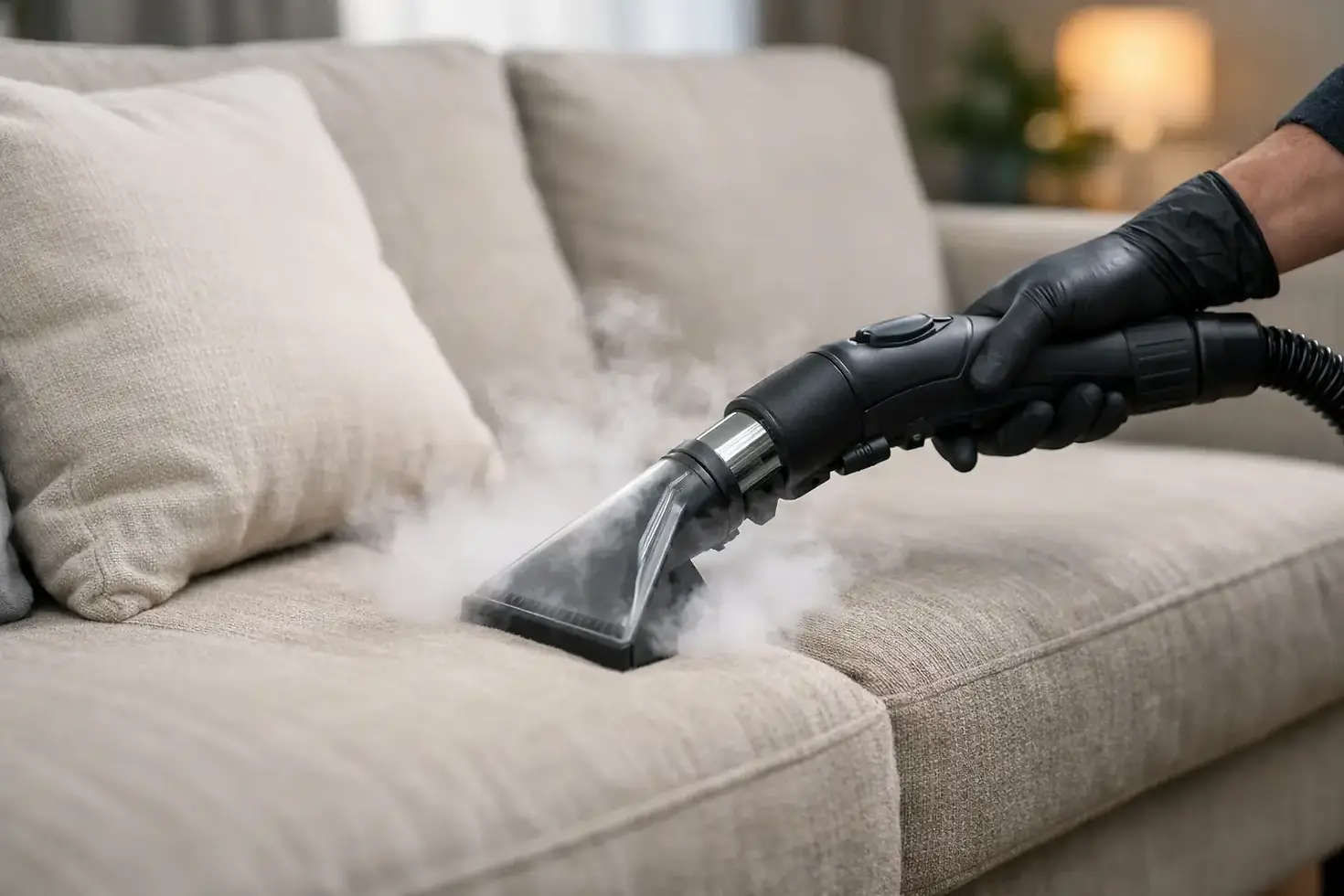
In professional upholstery cleaning, "steam cleaning" usually refers to hot water extraction. It is not just steam blowing across the surface. A professional machine applies heated water and cleaning solution into the upholstery fibres, breaks up oils and embedded dirt, and then extracts that mess back out with strong vacuum suction.
That matters because upholstery holds more than visible spots. Body oils, dust, food residue, pet dander, and stale odours settle into the fabric and padding over time. Surface wiping can make a couch look a bit better for a day or two, but it does not reach the contamination below the surface. Hot water extraction is designed to do exactly that.
The heat helps dissolve greasy residue and loosen bonded soil. The pressure pushes the rinse solution through the fabric. The suction pulls out the dirty water, suspended debris, and much of the moisture. When the system is powerful enough, the fabric is left cleaner, fresher, and faster-drying.
What actually happens during upholstery steam cleaning
The process starts before any water touches the fabric. A professional cleaner first identifies the upholstery material and checks its condition. Not every fabric should be cleaned the same way. Some synthetic materials can handle a stronger rinse and extraction process, while delicate natural fibres may need lower moisture, lower heat, or a more controlled approach.
Pre-inspection is where experience matters. Heavy-use areas like headrests, arm tops, seat cushions, and front panels often carry the most body oil and darkening. Stains from beverages, ink, food, or pets may need targeted treatment before the full cleaning begins.
Next comes dry soil removal. Upholstery traps dry particles deep in seams and weave patterns. Removing loose grit first is important because once dry soil mixes with moisture, it can turn into mud and become harder to fully extract.
After that, a pre-spray or upholstery-safe cleaning solution is applied. This solution is designed to break down oils, suspend dirt, and prepare the fabric for rinsing. Good chemistry matters here, but so does balance. Too much product or the wrong product can leave residue behind, which attracts soil faster after cleaning.
Then the machine goes to work. Heated water is injected into the upholstery through a hand tool, and almost immediately vacuumed back out. That rinse-and-recover action is what carries away loosened contaminants. With strong enough suction, the cleaner removes a significant amount of moisture during the same pass, which helps reduce drying time and lowers the risk of over-wetting.
Why heat, pressure, and suction make the difference
Many homeowners assume all steam cleaning is basically the same. It is not. Results depend heavily on the equipment.
Heat improves cleaning power. Oils, sticky residues, and tracked-in grime release more effectively when hot water is used. Upholstery that looks grey or feels slightly tacky often responds better to high-heat extraction than to low-temperature portable machines.
Pressure has to be controlled. Too little pressure may not flush contaminants effectively. Too much on the wrong fabric can over-wet the material or disturb delicate fibres. Professional upholstery cleaning is not about blasting furniture with water. It is about using the right pressure for the fabric and soil level.
Suction is where many weaker systems fall short. Strong extraction removes more dirty water and leaves less moisture behind. That means cleaner fabric, better odour removal, and a shorter wait before the furniture is ready to use again. In practical terms, this is why truck-mounted systems often outperform smaller consumer units. More vacuum power means deeper recovery and better finishing results.
Why upholstery needs more care than carpet
Upholstery is not cleaned exactly like carpet, even when the same hot water extraction principle is used. Furniture fabrics can be more delicate, more absorbent, and more vulnerable to browning, water marks, shrinkage, or texture change if cleaned incorrectly.
Cushions, padding, and fabric backing also hold moisture differently than carpet. A sofa arm or seat cushion can retain water in ways that are not obvious from the outside. That is why proper technique matters just as much as equipment strength.
A professional cleaner adjusts for fabric type, dye stability, pile direction, and how heavily soiled the piece is. The goal is a deep clean without over-wetting or leaving residue. That balance is a big reason many DIY upholstery cleaning attempts end in frustration.
What a steam cleaner removes from upholstery
The obvious target is staining, but upholstery steam cleaning does more than tackle spots. It removes the built-up soil that dulls fabric colour and makes furniture feel tired. It also helps reduce odours caused by pets, spills, food residue, and everyday use.
For homes with kids or pets, this can make a noticeable difference in comfort. Sofas and chairs are high-contact surfaces. They collect skin cells, dust, allergens, and tracked-in contamination from clothing and hands. A proper hot water extraction cleaning helps flush out that buildup instead of just masking it with fragrance.
That said, not every stain is fully reversible. Some spills leave behind dyes, bleaching, fibre damage, or long-set staining that cannot be completely removed. Good professional cleaning improves the fabric as far as the condition allows, but honest expectations matter. The best results usually come when stains are treated early and the upholstery is cleaned before heavy wear becomes permanent.
Why DIY machines often fall short
Store-bought or rental upholstery machines can help with light surface messes, but they usually lack the heat and suction needed for a true deep clean. Many units put water into the fabric more easily than they pull it back out. That can leave upholstery damp for too long, which increases the chance of lingering odours or soil wicking back to the surface.
Consumer machines also tend to rely heavily on shampoo. If too much detergent stays in the fabric, the furniture can feel stiff or become dirty again faster. Residue is one of the biggest reasons people are disappointed after DIY cleaning.
Professional service is stronger not just because of bigger equipment, but because the process is controlled. The cleaner uses the right chemistry, the right moisture level, and the right extraction technique for the material. That is what delivers a visibly cleaner result without the common DIY problems.
The role of water quality in the final result
Water quality is often overlooked, but it affects how well upholstery cleans. Hard water can reduce cleaning-agent performance and leave behind more residue. Soft, purified, pH-balanced water helps cleaning solutions work more effectively and rinse more cleanly from the fabric.
This is one reason premium systems produce better finishing results. When the rinse is cleaner, upholstery is less likely to feel crunchy, attract rapid resoiling, or hold onto leftover product. For homeowners, that translates to fabric that looks brighter, feels softer, and stays fresher longer.
When steam cleaning is the right choice for upholstery
Hot water extraction is an excellent choice for most common upholstered furniture, especially when the issue is general soil buildup, body oils, pet odours, food spills, or overall dullness. It is one of the most effective ways to restore appearance and freshness without replacing the furniture.
There are cases where a lower-moisture or specialty cleaning method may be better. Delicate natural fibres, older pieces, or certain speciality fabrics may require a more cautious approach. That is why fabric identification and testing should always come first.
For most family homes in Kelowna and West Kelowna, though, professional steam cleaning is the method that delivers the kind of visible, feel-it-right-away improvement people are after. With powerful truck-mounted extraction, high heat, and proper rinsing, upholstery can come back cleaner, softer, and far more inviting to sit on.
If your furniture still looks tired after vacuuming and spot wiping, the issue is usually deeper than the surface - and that is exactly where proper upholstery steam cleaning does its best work.


Comments